Original analysis on Canadian construction safety, plus the live feed of Terzonova company news - reported the way we report safety: factually. It grows as the industry, and the company, do.
Insights
From the Terzonova safety desk
August 2026Falls From HeightOntario
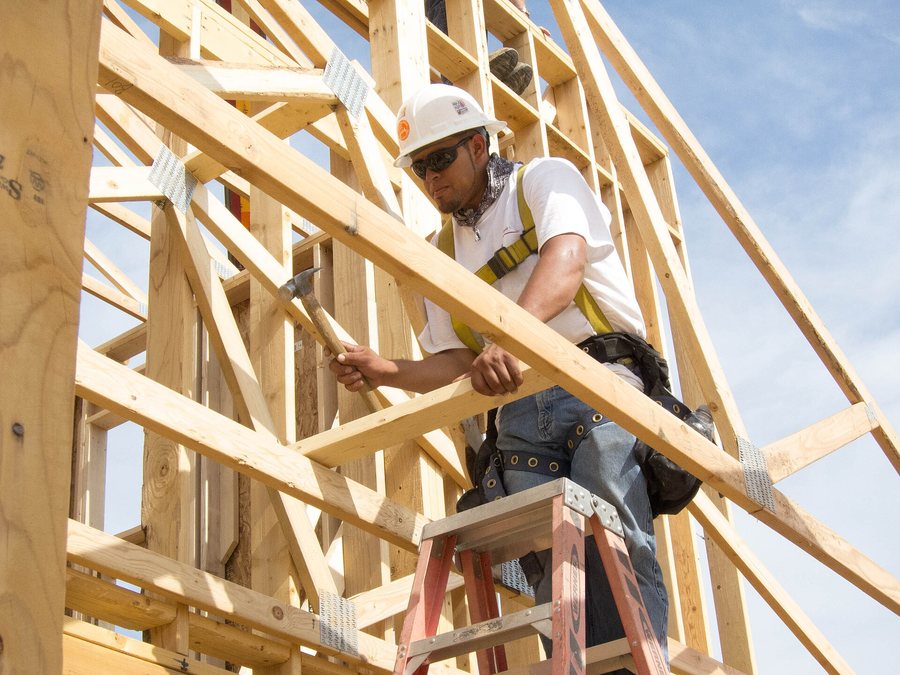
Falls from height are still Ontario’s deadliest hazard - and the clock is the reason
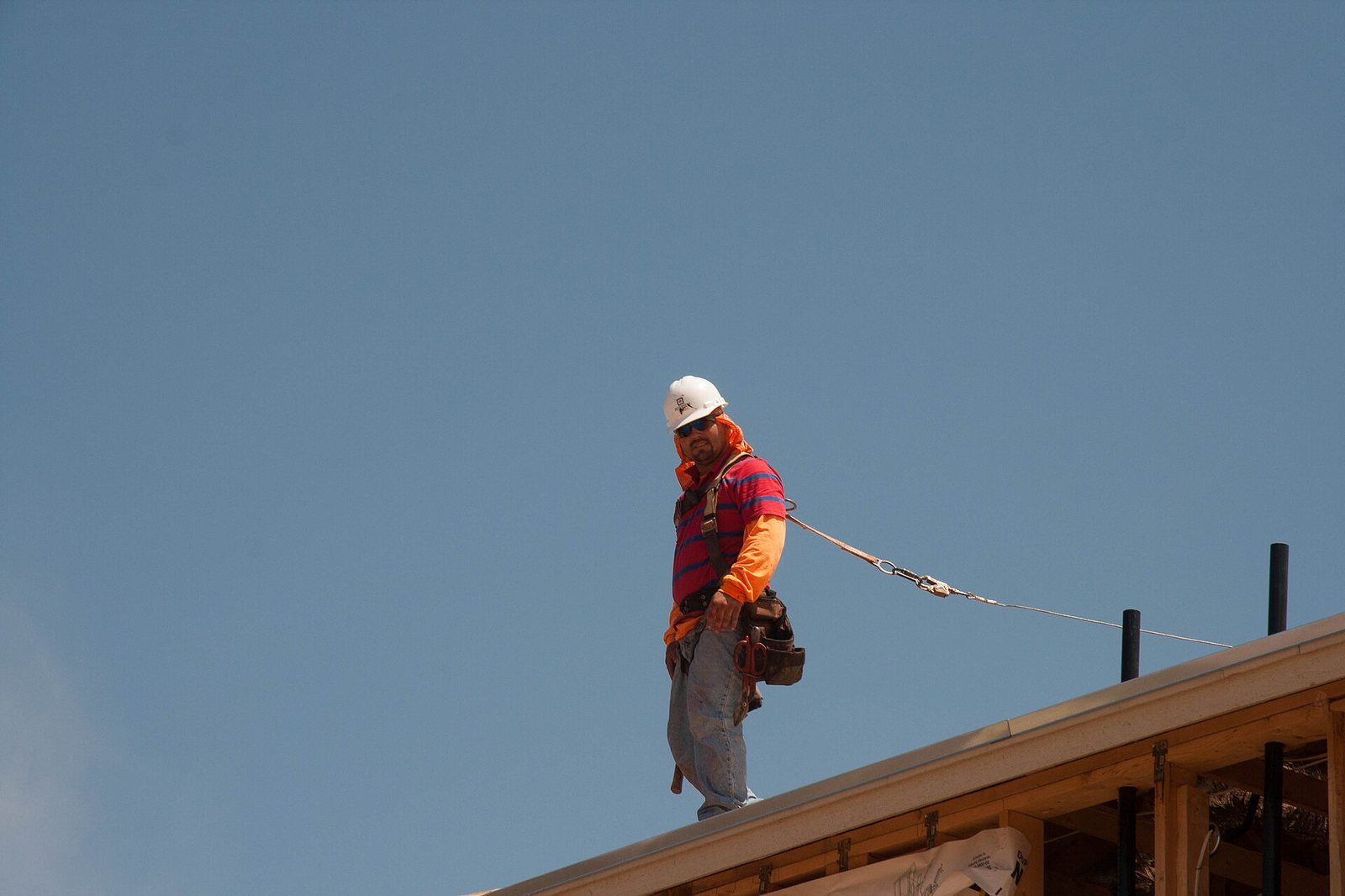
Every safety professional in Ontario construction knows the ranking: falls from height kill more workers in this province’s construction sector than any other hazard class. What gets less attention is why the number refuses to move, decades after harness mandates, guardrail standards and working-at-heights training became universal.
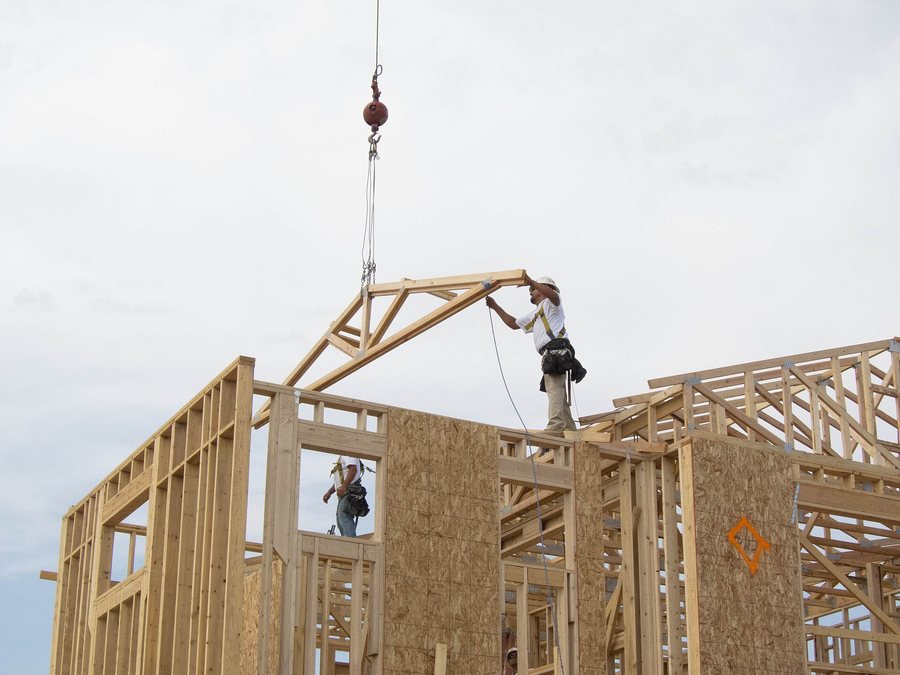
The uncomfortable answer is that almost every fall-protection tool we have operates before the moment of danger. Training happens in a classroom. Tie-off inspections happen at the start of a shift. Guardrail audits happen on a schedule. But the fall itself happens in a window of two to four seconds - a worker focused on a rebar layout, walking a familiar slab, drifting toward a leading edge his senses have no reason to flag. In that window, the industry has historically had exactly one safeguard: the hope that someone happens to be looking.
The physics is unforgiving. Human reaction time to an unexpected event averages 1.5 to 2 seconds - and that assumes the hazard is noticed at all. Hearing protection, 100-decibel ambient noise and task focus routinely remove the sensory channel entirely. A supervisor cannot watch fifty workers at once, and the worker closest to the edge is, by definition, the one paying attention to something else.
This is why the conversation is shifting from protection equipment to protection time. If a system can recognize a trajectory converging on an unprotected edge three to five seconds before the buffer is crossed, and put a physical signal on the worker’s body in under half a second, the intercept happens while there is still stopping distance - before the worker’s own senses have any reason to fire. The technology question is no longer whether that intercept is possible. It is whether sites will adopt it before or after their next investigation.
Key context: AWCBC data records 183 construction fatalities in Canada in 2022 - the largest single industry share - alongside 39,131 accepted lost-time claims. Ontario’s Bill 79 raised the maximum corporate OHSA fine to $2 million per count.
July 2026Alert DesignTechnology
Alarm fatigue: why workers stop listening to safety tech - and what it takes to earn trust back
Ask a site superintendent why the last wearable pilot died, and you will rarely hear “the technology failed.” You will hear some version of: the crew started ignoring it. In safety technology, false positives are not an inconvenience - they are the failure mode. Industry experience with sensor-only systems puts nuisance-alert rates at 18-23%. At that rate, roughly one alert in five is wrong, and every wrong alert teaches a worker that the next one can be ignored. Within weeks, the device that was supposed to protect people has trained them to tune it out.
The root cause is context blindness. An accelerometer badge knows a body dropped quickly; it cannot know the worker jumped off a truck bed. A proximity tag knows two objects are close; it cannot know one of them is a parked machine with no operator in the cab. Alerts without visual context are guesses - and crews can tell.
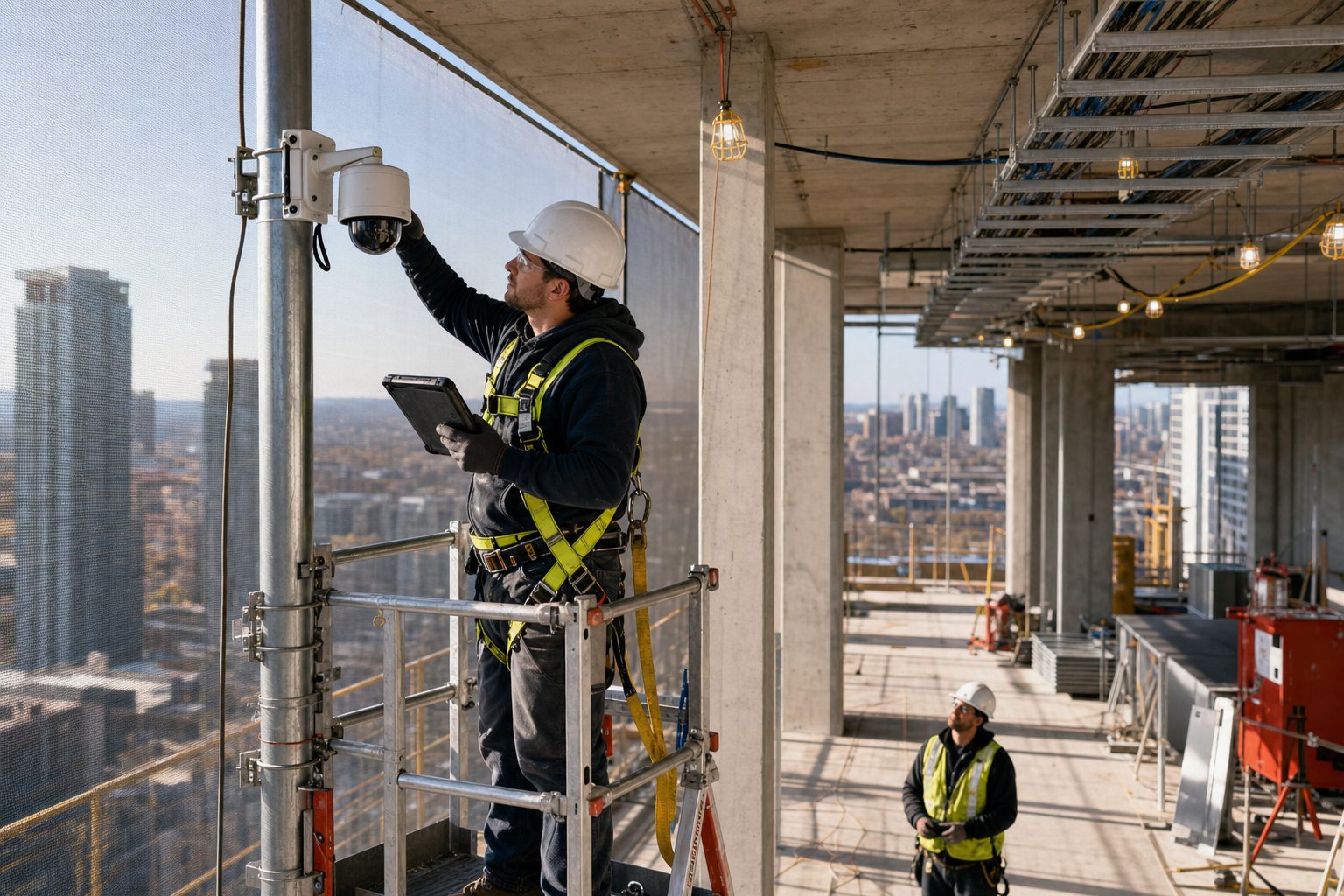
Earning trust back requires three design disciplines. First, see before you alarm: a camera-based system that tracks position and velocity can distinguish a worker standing near a parked loader from one walking into a reversing loader’s path - the difference between scenery and a threat. Second, grade the response: a severity model that reserves the continuous, impossible-to-ignore vibration for genuinely imminent threats, and uses short advisory pulses for everything else, preserves the meaning of the strongest signal. Third, calibrate in silence: a new site should run in shadow mode - detecting, logging, but never alerting - until the system has learned that site’s rhythm. The first alert a worker ever feels should be a real hazard.
The benchmark worth demanding from any vendor: a single-digit false-positive rate, verified under your site’s conditions, before the first live alert reaches a wrist. Anything looser is not a safety system. It is a liability with a battery.
Terzonova’s design target is a 4.2% false-positive rate against the 18-23% industry norm - built on visual context, temporal smoothing, severity tiers 1-10 and a mandatory shadow-mode week on every new deployment.
Industry News Feed
Safety in construction, as it happens
A curated feed of regulatory, enforcement and industry developments shaping Canadian construction safety - summarized by the Terzonova safety desk, linked to the original reporting.
July 2026Ontario
Second Ontario Construction Death Review finds systemic gaps, issues 14 recommendations
Ontario’s second review of construction fatalities examined 44 worker deaths spanning 1994-2023 and concluded that recurring, systemic safety failures - not isolated errors - drive the pattern. The review issued 14 recommendations aimed at prevention before the moment of danger.
Ontario’s OHSA changes take effect: administrative monetary penalties arrive
As of January 1, 2026, Ontario inspectors can issue administrative monetary penalties under a new scheme (O. Reg. 365/25) - a faster enforcement tool alongside prosecution. Larger, longer projects must now also keep an AED on site, with updated PPE and crane-documentation requirements.
WorkSafeBC: $1.3M in crane penalties - against an improving fatality trend
Two companies were penalized a combined $1.3 million over crane-related violations, including an incident connected to a worker fatality. The enforcement lands amid better news: BC construction death claims have fallen two years running - 54 in 2022, 39 in 2023, 25 in 2024.
13th National Safety Stand-Down targets construction’s #1 killer: falls
The annual Stand-Down (May 4-8, 2026) paused work across thousands of sites for fall-prevention training and hazard walks. The underlying numbers haven’t moved: falls from elevation remain the leading cause of construction fatalities across North America.
Construction Safety Week 2026 puts culture on the agenda
Canadian contractors joined the continent-wide Safety Week with toolbox talks, recognition events and leadership walk-downs - the industry’s annual reminder that a safety culture is built in the field, one crew conversation at a time.
Summaries are written by Terzonova and link to the original reporting. Feed updated as the industry moves.
How Can We Help?
Whether you are a contractor exploring a pilot, an owner setting safety standards, a broker looking for risk-engineering data, or an investor who wants to learn more - our team is ready to assist.